Why Are Ants Crossing Your Denver Kitchen Counter?
Ants trail across Denver kitchen counters when scouts find food or water and leave a scent path for others to follow. Wiping the visible line helps, but it may not address the entry point or the nest; Colorado’s freeze-thaw cycles can open small gaps around foundations and siding. An ant exterminator in Denver, CO should look for the route and what is drawing ants inside, not just spray the counter.
A crack-and-crevice application places product in targeted gaps where ants travel or gather, rather than across food-preparation surfaces. Near Denver Union Station, as in homes elsewhere in the city, our crew checks the trail, likely access points, and sanitation conditions before recommending a treatment.
What keeps ants following a kitchen trail?
A line of ants usually points to a repeatable route between a food or water source and an entry point. Clean the counter, store open food in sealed containers, and dry spills, but watch where ants reappear. A quick wipe can remove the trail’s visible scent without resolving the source. Small crumbs behind a toaster or a damp area under a sink may keep the route active.
For local treatment for ants in Denver kitchens, the useful first step is to trace the line to a crack, cabinet edge, or nearby exterior opening. Colorado Pest Solutions checks those details before choosing placement, so treatment is tied to observed activity rather than guesswork. High-altitude ultraviolet exposure increases outdoors, but it is the indoor food route and access point that matter most for a kitchen trail.
How do you get rid of ants without spreading the trail?
Start with ordinary sanitation: clean food residue, rinse recyclables, and keep pet food from sitting out overnight. Avoid spraying directly over a trail before identifying its route; some products can disrupt baiting or leave the colony’s source untouched. If you use a consumer product, follow its label and keep it away from food, dishes, and children.
People searching how to get rid of ants in Denver often want an immediate fix. If ants return after cleaning, note where they enter and whether the line shifts after a day or two.
Our crew uses that observation to decide whether targeted placement or another approach fits the activity. Low humidity dries stored food, so sealed pantry containers can also prevent crumbs and spills from becoming a steady attractant.
When should you call a professional for ants?
A short-lived trail after a spill may settle down once the food is removed. Call for an inspection if ants keep returning, appear in several rooms, or seem to emerge from a wall, cabinet seam, or outlet area. Repeated activity means the source may be concealed or access may be continuing.
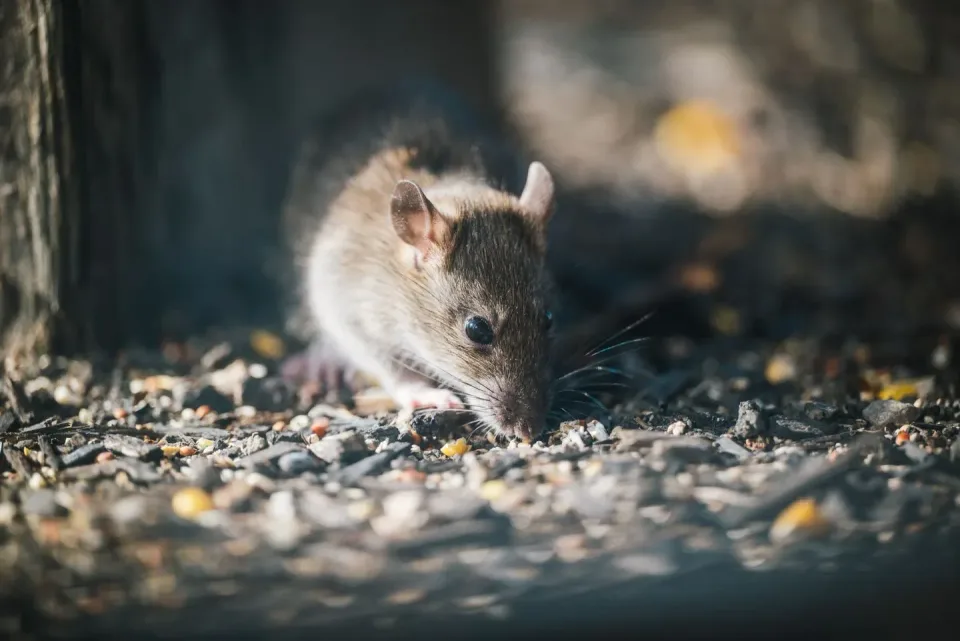
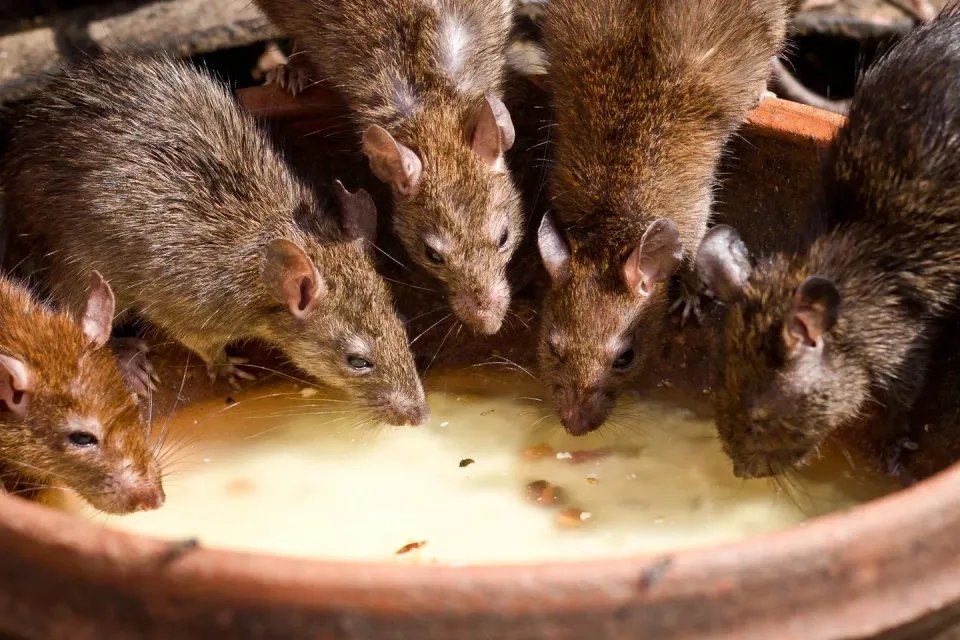
The nearby Denver International Airport is a familiar city reference, but each property’s ant problem is determined by its own construction and conditions. The same evidence-first approach applies when mouse droppings beneath a kitchen sink suggest a separate rodent issue: identify the pest and access route before selecting a control method. Rodent exclusion Denver homeowners may need is a different job from ant treatment; it addresses openings that allow rodents inside rather than the ant trail itself.
Which ant treatment details affect the plan?
Species, nesting location, and how ants are entering can change the treatment approach. A treatment plan should account for whether activity is confined to one counter or appears along several routes, and whether accessible cracks can be treated precisely. Our technicians explain what they find and what to do before and after service.
Questions about termite control in Denver or bed bug treatment in Denver apartments describe different pests and require separate inspections; neither should be treated as an ant problem. If you are comparing information such as bed bug treatment Denver prices, check that the estimate is for the pest and rooms actually involved. This distinction matters: a clear diagnosis helps avoid paying for work that does not address the kitchen trail.
Which Ant Trail Treatment Option Fits Your Kitchen?
If ants return after you clean a counter, the right choice depends on whether there is a continuing trail or another pest issue. A targeted ant visit addresses that evidence; wider service is for broader needs.
| Option | Best for | Key detail |
|---|---|---|
| Ant treatment | A recurring kitchen trail | Ant identification and nesting location guide the plan. |
| One-time pest treatment | Current, identified activity | A visit addresses observed activity; follow-up visits may be needed for qualifying infestations. |
| Rodent control and exclusion | Separate signs of rodents | House openings of 1/2 inch or even 1/4 inch can matter; exclusion closes access rather than treating ants. |
| Exclusion materials | Closing suitable rodent gaps | 1/4-inch mesh hardware cloth can cover an opening when properly fitted for the site. |
| Mosquito and tick treatment | Outdoor biting-pest concerns | This is not a treatment for ants trailing across a kitchen counter. |
Red Rocks Park and Amphitheatre provides a recognizable regional reference, while low humidity can dry stored food and make careful pantry storage worthwhile. Ask what pest the proposed work targets and whether follow-up is recommended.
Prepare Your Kitchen for an Ant Inspection
First, tell the scheduler where you see ants and confirm the Denver service address; ant control should start with observed activity, not assumptions. If you were hoping to get somebody out to your home for ants, share when the trail appears and whether it returns after cleaning. Availability should be confirmed rather than assumed.
Before the visit, secure food, dishes, and pet bowls, then clear access to the affected counter, cabinet edges, and nearby utility areas. Secure pets during application, and follow the product-label reentry instructions provided for the treatment.
Denver Botanic Gardens is a local point of reference, while summer thunderstorms can bring sudden rainfall; mention any damp or recently wet areas near the kitchen that may be relevant to your inspection. Keep service notes so you can report renewed activity accurately.
Get a Clear Plan for Denver Kitchen Ants
A recurring line across the counter is a clue: ants have found a route worth checking. Clean the food source, note where the trail begins, and seek an inspection if activity returns or the entry point is not clear. We also hear, “I just trying to get it done”; a straightforward inspection can identify the issue and explain the recommended next step without guessing.
Denver Tech Center is one local landmark, and cold winters drive rodents indoors another reason to address pest access based on evidence rather than assume every sign has the same cause. For a kitchen ant trail, Colorado Pest Solutions can inspect the activity and explain a targeted plan. Request help through Ant Treatment.